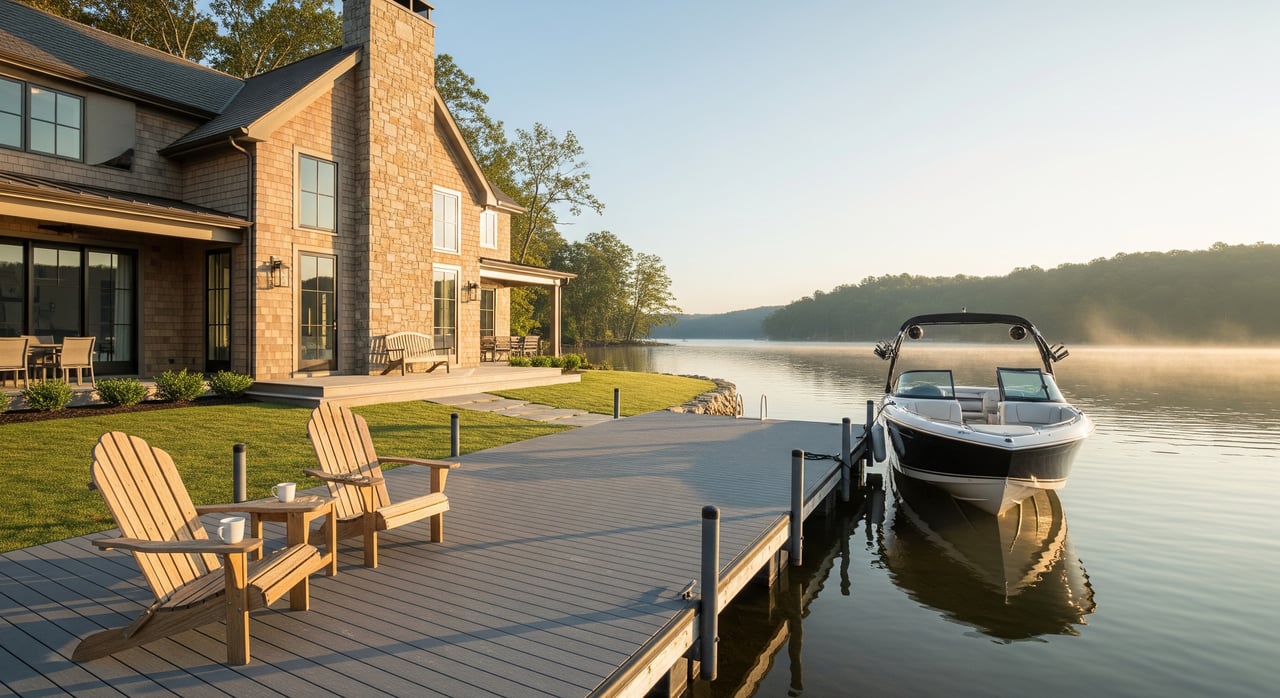
Picture yourself sipping coffee as the cove sits glassy and still, a few kayaks gliding by before the day wakes up. If you are weighing a move, a second home, or a place to spend long weekends, you want a real feel for what everyday life looks like here. In this guide, you’ll learn the rhythms of Lake Anna across seasons, what weekdays and weekends actually feel like, and the practical ownership details you should confirm before you buy. Let’s dive in.
What daily life feels like
Weekday flow
Weekdays are calm on the water, especially early morning. You’ll see anglers, paddleboards, and kayaks before work hours, with more activity in late afternoons. Many full-time residents blend remote work with local jobs or a commute to regional centers. For errands, you’ll take a short drive off the lake for groceries, hardware, routine medical visits, and school drop-offs.
Weekend rhythms
Fridays bring arrivals. Second-home owners tend to pull in after work, unload gear, and set up at the dock. Summer Saturdays are the busiest, with cruising, wakesurfing, tubing, and fishing tournaments drawing crowds. If you want lessons, slip rentals, or a popular dinner spot in peak season, plan ahead and pre-book.
Everyday essentials
Lake neighborhoods vary widely. Some have HOAs, private roads, and shared docks; others are classic cottage streets. Many roads near the water are private, so maintenance and snow removal can be an HOA or owner responsibility. Broadband and cell service can vary by cove, so test speeds at a specific property if remote work is essential.
Seasons at a glance
Spring
Spring is prep season. You’ll see dock installation, shoreline cleanup, and boats heading for service. Water warms, but summer crowds have not arrived. Contractors and marinas get busy as part-time residents start returning more often.
Summer
This is peak time. Boating, swimming, and community events fill the calendar. Roads in lake neighborhoods and parking areas near marinas feel busier, and many businesses extend hours. If you host guests, plan dock etiquette and boat rotation so everyone gets time on the water.
Fall
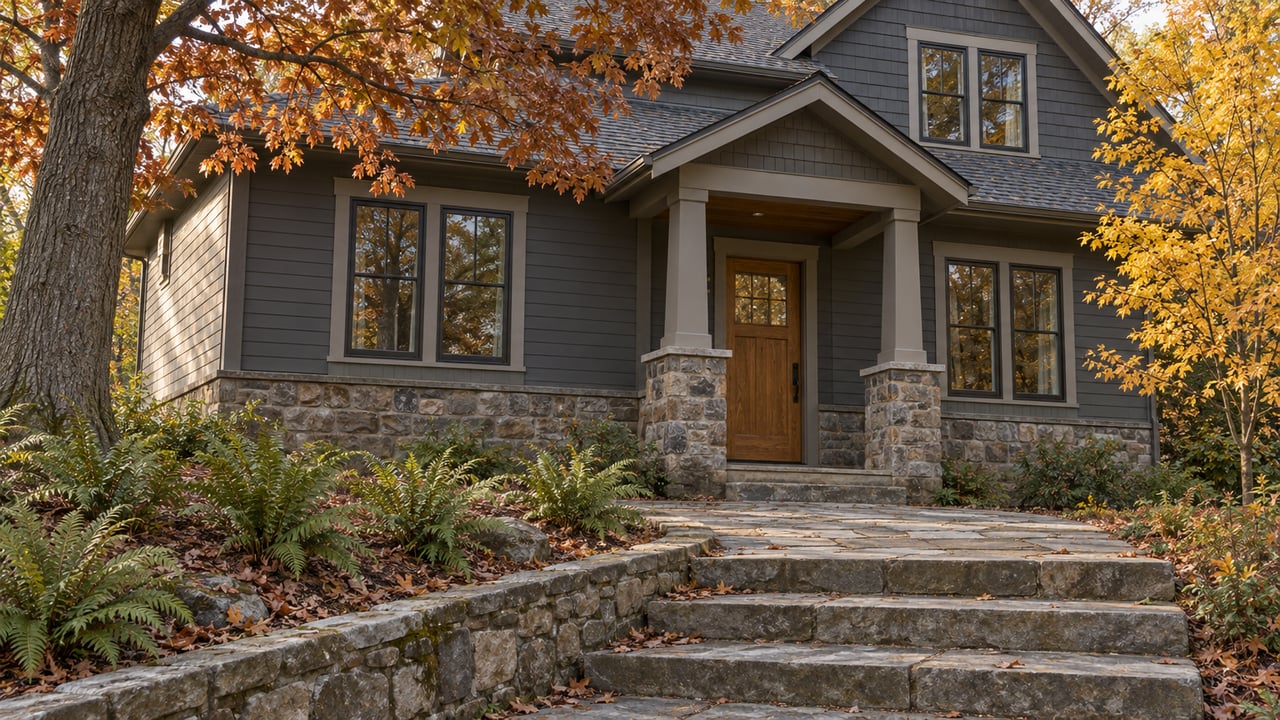
Fall brings calmer water and bright foliage. It is a favorite for peaceful cruises and strong fishing. Homeowners often schedule end-of-season gatherings and start maintenance projects, like dock repairs or shoreline work, before winter.
Winter
Winter is the quiet season. Many businesses scale back hours, and lake traffic drops to a minimum. The lake was created in the 1970s to serve the North Anna Nuclear Generating Station, and thermal influences mean it rarely freezes solid. This is a great time for bigger projects and winterizing your systems if you do not stay full-time.
Water fun and safety
Popular activities
You will find a little of everything: power boating, personal watercraft, wakesurfing, wakeboarding, pontoon cruising, swimming, kayaking, paddleboarding, and shoreline picnics. Fishing for bass and striped bass is popular year-round, with tournaments sprinkled through the season. Lake Anna State Park offers swimming beaches, hiking trails, campgrounds, and picnic areas for simple, low-key days.
Rules and safe habits
Boater education, vessel registration, and navigation rules in Virginia apply. Expect local speed and wake zones in specific areas, and some neighborhoods have quiet hours. Public beaches post swim rules, and open-water swimming near private docks calls for extra visibility and caution. Life jackets for children and non-swimmers are standard practice.
Crowds and timing
If you love a lively scene, summer weekends will be your sweet spot. If you prefer calmer water, early mornings, weekdays, and the shoulder seasons offer a quieter pace. Organized events can concentrate boat traffic, so a quick check of community calendars helps you plan ahead.
Community and conveniences
Marinas and access
Multiple public and private marinas and boat ramps serve launches, fuel, slip rentals, and repairs. Slip availability varies by season, so inquire early if you plan to keep a boat on the water. Public access points and park amenities make it easy for day trips and low-maintenance visits.
Schools and local life
Properties around the lake fall within Louisa County Public Schools zones. School assignments and bus routes vary by address. Full-time residents often plug into civic groups, churches, volunteer fire and EMS, and seasonal events like parades and markets. It is a friendly, show-up-and-participate culture.
Healthcare and internet
Urgent care and hospitals are located in larger nearby towns and regional centers, so check drive times from any property you are considering. Broadband coverage differs by street; some pockets use satellite or fixed wireless, while others have faster connections. Verify provider options and speeds during due diligence.
Ownership basics to know
Docks, shoreline, and permits
Shoreline structures like docks, boathouses, seawalls, and bulkheads are regulated by county and state permitting. Confirm whether a property has deeded dock rights and what you can build or modify. Ask about any shoreline easements or shared access agreements and how maintenance is handled.
Utilities and septic
Utilities vary by parcel. Many homes rely on wells, septic systems, propane, and electric service. For septic, request permitting records, inspection history, and drainfield location. Knowing age, capacity, and maintenance schedules helps avoid surprises and protects the lake’s water quality.
HOAs, rentals, and rules
HOA covenants can affect boathouse design, parking, noise policies, and short-term rentals. Local ordinances and HOA rules differ by neighborhood, so review them early if you plan to rent seasonally. Insurance needs may include homeowners, liability for docks or watercraft, and optional flood coverage depending on elevation and maps.
Maintenance calendar
A simple, seasonal routine keeps lake homes in top shape:
- Spring: Reinstall dock components, check boat systems, schedule service, refresh shoreline plantings.
- Summer: Inspect dock hardware, watch wake-related wear, clean filters and HVAC, monitor water quality advisories.
- Fall: Plan dock repairs, schedule septic pumping if due, clear gutters, prepare irrigation and hoses.
- Winter: Winterize plumbing if vacant, secure watercraft, handle shoreline projects when water use is low.
Buyer checklist
When you tour homes or lots, use this quick list to guide questions and due diligence:
- Dock rights: Deeded access, current permits, and allowed structures.
- Shoreline: Any easements, shared access, or erosion controls in place.
- Septic and well: Permits, age, inspection and pumping records, drainfield location.
- Utilities and broadband: Providers, typical speeds, and reliability.
- HOA and community: Covenants, fees, rental policies, quiet hours, road maintenance.
- Insurance: Home, liability, watercraft, and any flood considerations.
- Access: Driving time to your frequent destinations, marina options, and boat ramp proximity.
Commuting and weekend access
Travel time depends on where you live on the lake and where you are headed. Many owners come from the greater Washington, D.C. and Richmond regions and accept a moderate drive in exchange for the waterfront lifestyle. If commuting matters, time the trip on a weekday morning and a summer Friday afternoon to see the difference.
Is Lake Anna a fit for you?
If you want a place that balances quiet weekday mornings with lively summer weekends, Lake Anna delivers. The lifestyle rewards are clear: time on the water, room for guests, and a community that comes alive in warm months. The tradeoffs are manageable when you plan for maintenance, check utility options, and verify rules before you buy. That is where a local, education-first guide helps.
If you are considering a home or lot at the lake, we are here to make the process clear and smooth. Get tailored advice on docks and shoreline rules, septic and utilities, HOA nuance, and rental considerations. Schedule a Free Consultation with Sunset Properties at Lake Anna.
FAQs
How busy is Lake Anna in summer?
- Summer weekends are the peak for boating and events, while weekdays and shoulder seasons are noticeably calmer.
Do most Lake Anna homes include a private dock?
- Not always; confirm deeded dock rights, existing permits, and what the governing rules allow for new or expanded structures.
Is the water safe for swimming year-round?
- Swimming is common in warm months; always check for any seasonal water-quality advisories and follow posted rules at public beaches.
What recurring costs should I expect as an owner?
- Plan for HOA or road fees if applicable, dock and shoreline upkeep, septic pumping and inspections, insurance, utilities, and property taxes.
Will I have reliable internet and cell service at the lake?
- Coverage varies by cove and street; verify providers and test speeds at the property, especially if you rely on remote work.
How do short-term rentals work around the lake?
- Rules depend on local ordinances and HOA covenants; review both early if you plan to rent seasonally or on weekends.
Where can I launch a boat if I do not have a dock?
- Public and private marinas and ramps around the lake offer launches and parking; availability can tighten on summer weekends.