Are you trying to choose between true waterfront, a deeded slip, or a community ramp on Lake Anna’s public side? You are not alone. The term “lake access” can mean very different things in central Virginia, and each option affects your daily routine, budget, and how you write an offer. This guide breaks down every access type in plain language and shows you how to search smarter and protect your purchase. Let’s dive in.
Lake Anna public side basics
Lake Anna stretches across Louisa, Spotsylvania, and Orange counties in central Virginia. The public side includes Lake Anna State Park, public beaches, marinas, and several public boat ramps. It is a popular choice if you want easy access to amenities without owning shoreline.
Always confirm the county a property sits in. Septic, dock, and shoreline rules can vary by county and by subdivision. Your access type influences what you can build, your ongoing costs, and your insurance and financing.
What “lake access” really means
At Lake Anna, “lake access” ranges from a dock at your door to a shared community ramp. The right choice depends on how often you plan to boat or swim, whether you want privacy, and your comfort with maintenance and HOA rules. It also shapes insurance, financing, and the contingencies you need in your offer.
True waterfront
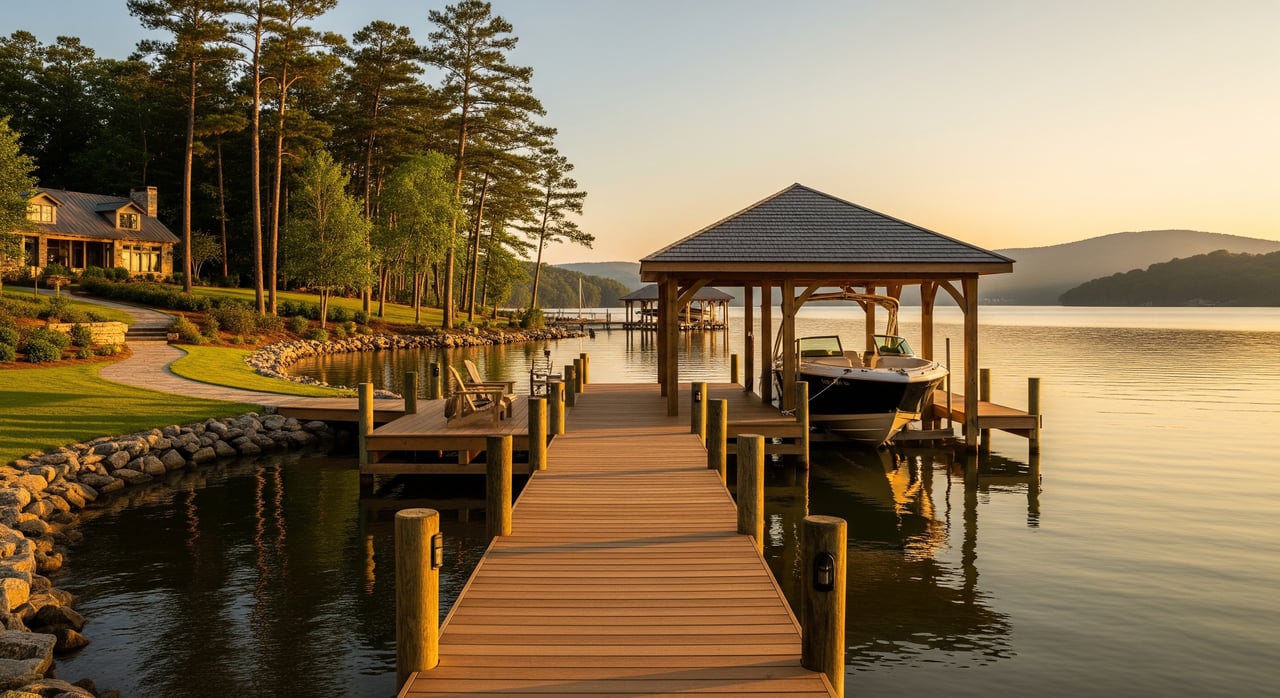
You own property that touches the lake and typically includes direct physical access to the shoreline.
What it usually looks like
- Private dock or the ability to add one with proper permits.
- Direct boat access from your lot and a strong lake-lifestyle experience.
Pros
- Immediate, private access for swimming, boating, and fishing.
- Highest convenience and strongest long-term demand.
- Best for frequent boaters who want the full lake experience.
Cons
- Higher purchase price and often higher property taxes based on comps.
- Ongoing costs for dock construction and maintenance, plus shoreline erosion control.
- Permits may be required for docks and retaining walls, and insurance can be more complex.
Buyer checks
- Review the deed and survey to confirm riparian rights and shoreline boundaries.
- Verify existing dock permits, condition of structures, and shoreline stability.
- Check FEMA flood maps and talk with your insurance provider about premiums.
- Confirm county permitting rules and any septic, well, or setback requirements.
Water-view
You have a view of the lake but do not own shoreline or direct access.
What it usually looks like
- Scenic views from the home, deck, or yard.
- Actual water use depends on travel to a public ramp, marina, or community facility.
Pros
- Lower purchase price compared with waterfront.
- Fewer responsibilities for shoreline and dock upkeep.
- Great if you want the scenery without heavy maintenance.
Cons
- A view does not equal water rights.
- Resale audience may be narrower than true waterfront.
- Future development could affect sight lines.
Buyer checks
- Confirm that the listing’s “water-view” language does not imply access.
- Map the distance to the nearest public ramp or marina you plan to use.
- Evaluate potential sight-line changes on nearby parcels.
Practical tip
- If you only boat occasionally, a water-view home paired with a rented marina slip can be a cost-effective solution.
Water-access with deeded slip
Your deed or HOA documents assign a specific boat slip to your property.
What it usually looks like
- A recorded slip at a community dock or nearby marina.
- Terms for use and transfer are set by the deed, plats, and HOA or marina rules.
Pros
- Reliable long-term boat access without private shoreline.
- More convenient than using public ramps.
- Often a solid middle ground on price and convenience.
Cons
- Size limits, transfer fees, and annual costs may apply.
- Depth, wakes, or dredging needs can affect usability.
- Ambiguous deed language can cause disputes.
Buyer checks
- Read the deed and recorded plats to confirm slip location and rights.
- If the slip is at a marina, get the rules in writing and confirm transferability at sale.
- Match slip size and depth to your boat’s length, beam, and draft.
- Clarify all fees and maintenance responsibilities.
Legal note
- Some lenders and title companies require clear documentation that a slip conveys with the property. Build in a deed and title contingency and consult a real estate attorney if wording is unclear.
Community ramp access
You use a shared neighborhood ramp or dock as part of HOA ownership.
What it usually looks like
- Gated or key-controlled ramp and sometimes shared docks.
- Rules, hours, and capacity are governed by HOA documents.
Pros
- Lower purchase price than waterfront properties.
- Reliable boating access without a private dock to maintain.
- Strong value if you boat seasonally and enjoy community amenities.
Cons
- Busy weekends can mean wait times and limited guest capacity.
- Rules may limit boat size, wake activity, hours, or overnight mooring.
- Shared maintenance can lead to special assessments.
Buyer checks
- Obtain HOA covenants, bylaws, rules, budgets, and reserve information.
- Review recent meeting minutes for ramp or dock maintenance plans.
- Confirm guest policies and storage or parking for trailers.
- Verify if overnight mooring is allowed and whether slips are available.
Off-water near amenities
You do not have deeded access but live close to public ramps, marinas, or Lake Anna State Park.
What it usually looks like
- Lower price point with simpler upkeep.
- Short drive to beaches, ramps, and restaurants on the public side.
Pros
- Lowest purchase and maintenance costs among lake-adjacent options.
- Access to marinas and public facilities without shoreline responsibilities.
- Often simpler utility and septic considerations.
Cons
- Less daily convenience and spontaneity for quick boat trips.
- You may rely on busy public ramps or rental slips during peak season.
- Seasonal traffic can add time on summer weekends.
Buyer checks
- Time your drive to preferred ramps or marinas during peak hours.
- Ask about slip rental availability, parking, and trailer storage rules.
- Plan for seasonal congestion and factor it into your routine.
How access type shapes your search
The right search strategy helps you avoid surprises and write stronger offers.
Smarter online search
- Use multiple filters, not just “waterfront yes/no.” Add keywords like “deeded slip,” “community ramp,” and “marina slip included.”
- Verify shoreline adjacency and dock presence with maps and aerials.
- Work with an agent who knows which neighborhoods offer deeded slips or HOA ramps on the public side.
Offer terms that protect you
- Title and survey: Confirm riparian rights, deeded slip language, and any shared-access easements.
- HOA review: Obtain covenants, bylaws, rules, budgets, and reserve studies. Confirm ramp and slip rules and any pending assessments.
- Dock or slip condition and transfer: Require documentation for existing permits, physical condition, and transfer steps for any slip.
- Septic and well: Order inspections and review health department records and permits.
- Flood and insurance: Get a flood-zone determination and premium estimates. Ask for prior insurance claim history.
- Shoreline details: If boundaries or buildable areas are unclear, consider a boundary or shoreline survey.
Financing and insurance
- Waterfront can appraise at a premium, and limited comps can add complexity. Be ready with solid comparables and a clean title package.
- Some docks in poor condition can trigger lender or appraiser concerns. Plan for repair credits or timing repairs post-closing when possible.
- Inland lakes are not tidal, but localized flooding and wind events are still relevant. Price out homeowner and optional flood coverage early.
Negotiation levers
- Dock or shoreline condition: Use needed repairs or erosion control as a pricing or credit negotiation point.
- Slip transfer and fees: If approvals or fees are required, request seller-paid costs or escrow to ensure transfer.
- HOA assessments: If an assessment is pending for ramp or dock work, negotiate credits or require the seller to pay before closing.
- Access clarity: If deed or HOA language is unclear, insist on resolution or adjust price to reflect risk.
First-time lake buyer checklist
Use this as a quick reference when you are narrowing options on the public side.
Before touring
- Define your lifestyle: daily boating with a private dock or occasional weekend trips through a community ramp.
- Set a full budget that includes docks, slip fees, HOA dues, insurance, and routine maintenance.
- Map preferred marinas and ramps and estimate real travel time from candidate homes.
While evaluating a property
- Confirm the exact access type in writing. Look for deed language, HOA rules, or marina confirmation.
- Ask for the survey and recorded plat to review shoreline, docks, and easements.
- Request copies of the deed, HOA financials and minutes, dock permits, tax bills, and any water-related assessments.
- Inspect septic, well, dock structure, and shoreline. Bring specialists when needed.
- Check flood maps and ask for prior flood or insurance claims on the property.
In your offer
- Include contingencies for title and survey, HOA documents, dock or slip transfer and condition, septic and well, and flood or insurance review.
- If your lifestyle depends on a deeded slip or community ramp, make acceptance conditional on documented, transferable access.
- For ambiguous access, require the seller to obtain written confirmation from the marina or HOA within a set timeframe.
After ratification and at closing
- Coordinate with the title company to confirm shoreline rights or slip conveyance is properly recorded.
- Budget for immediate tasks after closing: dock repairs, transfer fees, decals, keys, and marina registrations.
The bottom line
Choosing the right access type is about matching your day-to-day routine with your budget and risk comfort. True waterfront delivers peak convenience and lifestyle, deeded slips offer reliable boating without a private shoreline, community ramps keep costs down with shared facilities, and off-water homes near amenities stretch your dollars while keeping lake fun within reach. With clear documents, the right contingencies, and local guidance, you can buy with confidence on Lake Anna’s public side.
Ready to compare neighborhoods, access types, and real numbers for your situation? Schedule a Free Consultation with Sunset Properties at Lake Anna. Our team lives the lake lifestyle and will help you align your goals with the right property and offer strategy.
FAQs
Does “waterfront” at Lake Anna always include a private dock?
- No. Confirm the deed and survey, and verify whether a dock exists or is permitted to be built. Condition and permitting can vary by lot and county.
Are deeded boat slips always transferable when a home sells?
- Not always. Transfer rules often depend on the HOA or marina and may require approval or fees. Get written confirmation before you waive contingencies.
Is flood insurance required for public-side homes at Lake Anna?
- Not always. Lenders require flood insurance only if the home is in a Special Flood Hazard Area. Check flood maps and price coverage early.
How much does it cost to maintain a dock on Lake Anna?
- Costs vary by size and materials, along with local contractor rates and HOA requirements. Obtain estimates and review any recent maintenance records.
Can I build a new dock on a waterfront lot?
- Possibly. You must follow county permitting and shoreline rules, and some lots have restrictions or easements. Verify feasibility before you close.
What is the main difference between community ramp access and a deeded slip?
- A deeded slip is an assigned, recorded right to a specific mooring, while community ramp access typically allows launching only with no guaranteed slip or overnight mooring.