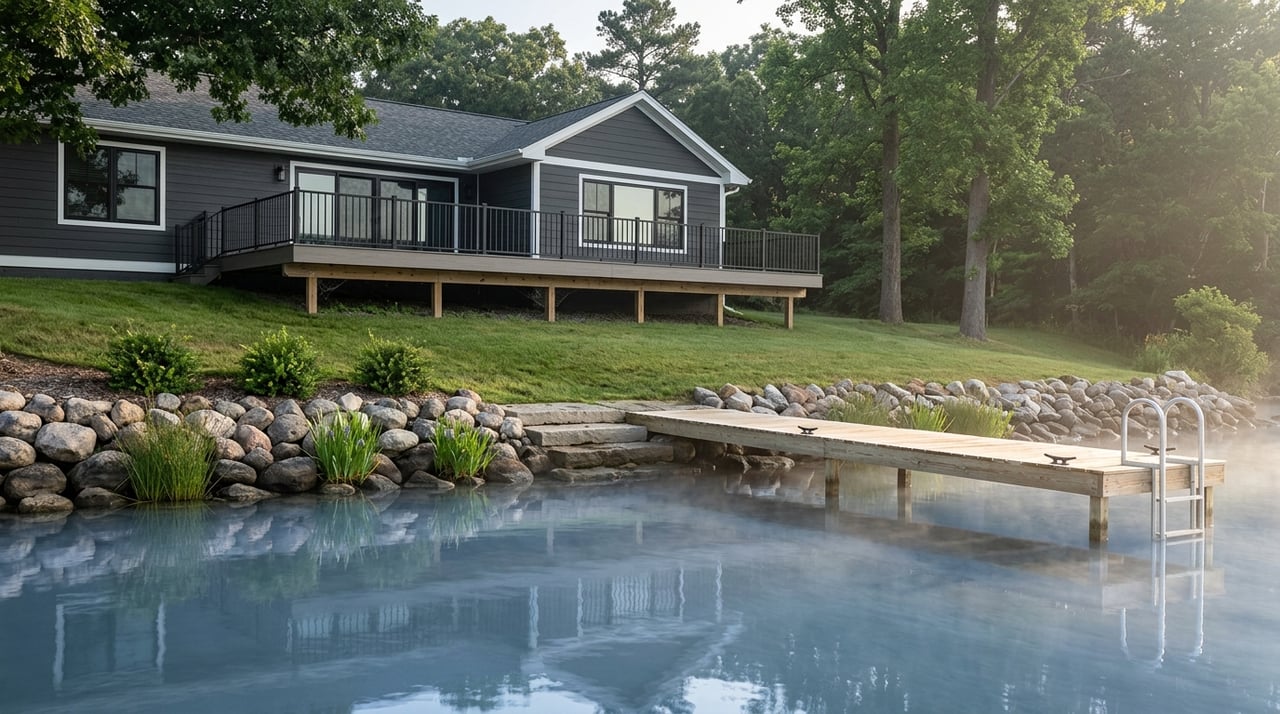
If you have ever wondered why Lake Anna’s private side feels different the moment you arrive, you are not imagining it. Many buyers are drawn to the calmer, more neighbor-focused feel, but they also want to know what day-to-day life actually looks like once you own there. This guide will walk you through how access, boating, amenities, and everyday logistics work on the private side so you can decide whether it fits the way you want to live. Let’s dive in.
What Lake Anna’s private side means
Lake Anna’s private side is Dominion Energy’s Waste Heat Treatment Facility, often called the WHTF. It is the warmer half of the lake connected to the North Anna Power Station, and Dominion refers to it separately from the public side.
What makes it feel different is access. Dominion states that use is generally restricted to private landowners and HOA communities that border the WHTF, with nonresident use typically limited to guests. In everyday terms, that means your time on the water is often shaped more by your neighborhood and less by general public traffic.
Why the private side feels quieter
The private side often feels more controlled because access is limited. That does not mean empty water at all times, but it does mean you are usually sharing the lake with owners, residents, renters, and invited guests rather than broad public launch traffic.
For many buyers, that creates a more predictable routine. If you want a lake setting that leans private, organized, and community-centered, this setup can be a strong match.
How water conditions affect daily life
The private side is also known for warmer water. Dominion says discharge water is typically about 14 degrees warmer than intake water because of the station’s cooling cycle.
That warmth shapes the recreation season and how people use the lake. Dominion identifies May 1 through October 31 as the primary recreational use period for the WHTF, and weekday lake level and temperature readings are posted as conditions change.
Lake levels generally sit around 249 to 251 feet above mean sea level. That sounds technical, but for you as an owner, it matters because water level changes can affect docking, boat lines, and shoreline planning.
How boating usually works
On the private side, boating is often neighborhood-based. Instead of depending on a public marina for everyday use, many owners use a community dock, boat slip, or neighborhood launch.
That setup can be convenient, but it usually comes with clear rules. In The Waters at Lake Anna, for example, the dock and ramp are reserved for lot owners and their guests or renters, the ramp gate is key-card controlled, and renters must get access from the owner or rental agent.
There are also practical rules that shape your routine. The same community limits dock parking to 30 minutes for pickup and drop-off and uses separate day slips for daily use, which helps keep shared access moving.
What a normal boat day can look like
A normal boat day on the private side is often simple once you know your community’s process. You may load up at home, head to the neighborhood ramp or slip, launch through a secured access point, and return the boat to a designated area after your time on the water.
The key difference is that it is not a casual, open-access system. Private-side marinas and HOA facilities tend to be managed spaces, with expectations around supervision, parking, pets, maintenance access, and general conduct.
At Lake Anna Yacht Club, for example, children under 14 must be supervised by an adult tenant or adult guest, dogs must be leashed, and management may move boats when maintenance or dredging is needed. Those kinds of rules help keep operations orderly, but they also mean buyers should expect structure.
How shared amenities are managed
Many private-side communities offer amenities that support a full lake lifestyle. Depending on the neighborhood, that can include a clubhouse, pool, beach, tennis courts, parking areas, and boat facilities.
The tradeoff is that these spaces are usually private amenities, not public ones. Access is often limited to owners, renters, and accompanied guests, and key cards are common.
In The Waters at Lake Anna, common areas include the clubhouse, pool, tennis courts, boat dock, beach, and other shared spaces. The pool and pavilion are seasonal, the pool has no lifeguard, and quiet hours run from 10 p.m. to 8 a.m.
That gives you a good picture of everyday life. You can enjoy well-kept amenities close to home, but you should expect a system built around rules, schedules, and shared responsibility.
What to expect with guests and renters
If you plan to host friends or use a property as a seasonal rental, guest access matters. On the private side, access is commonly allowed, but it is usually controlled through owner sponsorship or community rules.
In some neighborhoods, guests must be accompanied by a lot owner in good standing. Renters may also need to receive key-card access directly from the owner or rental agent rather than a community office.
That matters for both convenience and planning. If you are buying a second home or investment property, it is smart to understand how amenity access works before you close.
How shoreline projects really work
One of the biggest surprises for buyers is that shoreline ownership does not mean unlimited freedom to change the waterfront. Dominion says property owners must follow its guidelines and obtain approval before building structures or making shoreline changes.
So if you are thinking about a dock, pier, or other waterfront improvement, HOA rules are only part of the picture. Dominion shoreline approval may also be required, which adds another step to your planning timeline.
This is one reason local guidance matters on Lake Anna. A property can look straightforward online, but the real-life process may involve community rules, shoreline review, and timing considerations.
How everyday chores fit in
Lake living is scenic, but it still comes with practical routines. Trash and recycling are one example.
Louisa County says its convenience centers are for county residents and household waste and recycling only, while commercial or business waste must go to the landfill. Depending on where your property is located and how you use it, that may mean planning regular drop-off runs as part of your week.
It is also worth remembering that Lake Anna spans Louisa, Orange, and Spotsylvania counties. Because the lake crosses county lines, local services and regulations can vary depending on the parcel.
How to think about public access nearby
Living on the private side does not mean you are cut off from the rest of Lake Anna. It simply means your day-to-day access may come through your neighborhood instead of a public launch or open marina setting.
If you want a public day-use option, Lake Anna State Park offers a public boat launch, beach access, cabins, and day-use facilities. The park does not rent boats or equipment, but it can still be a useful backup for outings with family or guests.
That balance is part of what defines the private side. Your home base may feel more secluded, while public access still exists elsewhere around the lake.
Why water updates matter before you swim
Because life on the private side often revolves around boating, beaches, and swim areas, water conditions are worth checking regularly. Virginia Health has issued swimming advisories for sections of Lake Anna, including the upper North Anna Branch, due to harmful algal blooms.
Advisory status can change, so it is wise to stay current before swimming or planning a beach day. This is especially important if you are buying a home where easy water access is part of your everyday lifestyle.
Who the private side fits best
The private side tends to work well for buyers who want privacy, calmer water, and a community-managed feel. That conclusion lines up with the restricted-access setup and the way shared amenities are organized.
It can be especially appealing if you like the idea of a neighborhood dock, a more controlled environment, and a routine centered on residents and guests. Many second-home buyers, seasonal families, and owners who value a quieter setting find that appealing.
On the other hand, if you picture frequent public activity, walk-up marina access, or a more open lake atmosphere, the public side may feel like a better fit. Neither is better across the board. It really comes down to how you want your daily lake life to work.
The bottom line on private-side living
Everyday life on Lake Anna’s private side is less about constant buzz and more about structure, access, and community rhythm. You get a setting that often feels quieter and more predictable, but that experience comes with rules around boating, amenities, guests, and shoreline changes.
For the right buyer, that balance is exactly the point. If you want help comparing private-side neighborhoods, understanding HOA access rules, or evaluating how a specific property will function day to day, Sunset Properties at Lake Anna can help you make a clear, confident decision.
FAQs
What is Lake Anna’s private side?
- Lake Anna’s private side is Dominion Energy’s Waste Heat Treatment Facility, the warmer half of the lake connected to the North Anna Power Station, with access generally limited to bordering landowners, HOA communities, and their guests.
How does boat access work on Lake Anna’s private side?
- Boat access on Lake Anna’s private side is usually handled through neighborhood docks, slips, ramps, or private marinas, and these areas often use key-card entry and owner, guest, or renter rules.
Are amenities on Lake Anna’s private side open to the public?
- Amenities in private-side communities are typically private, which means access is generally limited to owners, renters, and accompanied guests under each community’s rules.
Can you build a dock on Lake Anna’s private side?
- Shoreline projects on Lake Anna’s private side may require Dominion approval before work begins, so buyers should review both community rules and Dominion shoreline requirements.
Is the water warmer on Lake Anna’s private side?
- Yes, Dominion says discharge water on the WHTF is typically about 14 degrees warmer than intake water because of the plant’s cooling cycle.
Is Lake Anna’s private side good for second-home buyers?
- Lake Anna’s private side often fits second-home buyers who want a quieter, more community-managed lake environment with neighborhood-based access and amenities.